

Understanding the weather in Bermuda by month makes the difference between a good trip and an exceptional one. Bermuda’s subtropical climate delivers mild conditions year-round, but each season brings its own character—from quieter winter days to warm summer swims in turquoise waters. Here’s what to expect across the calendar.
Key Takeaways
- Bermuda enjoys an average temperature of around 72°F (22°C) annually, with the coldest month being February (64–68°F/17.8–20°C) and the hottest month being August (85–86°F/29.4–30°C)
- March through April offer comfortable temperatures, lower rainfall, and great deals on accommodation before peak season
- May through October is ideal time for beach days, with sea temperatures reaching 84–86°F (28°C to 30°C) at their peak
- Hurricane season runs June through November, with October typically the wettest month—monitor forecasts but expect most visits to be uneventful
- Each month brings signature events, from Bermuda restaurant weeks in January to Harbour Nights in summer
Overview of Bermuda’s Climate
Bermuda sits approximately 650 miles east of North Carolina in the North Atlantic—not the Caribbean, though the climate feels comparably warm. The Gulf Stream keeps the island mild, with no extreme cold or rainy season resembling tropical monsoons.
Season | Air Temperature | Sea Temperature |
|---|---|---|
Winter | Low 60s–70°F (16–21°C) | 63–70°F (17–21°C) |
Spring | 68–77°F (20–25°C) | 66–73°F (19–23°C) |
Summer | 80–86°F (27–30°C) | 77–86°F (25–30°C) |
Fall | 72–84°F (22–29°C) | 72–83°F (22–28°C) |
Rainfall spreads throughout the year rather than concentrating in one season. October is statistically the wettest, while spring months remain the driest and sunniest.
Weather in Bermuda in January
January feels like early spring rather than mid-winter. Daytime temperatures hover around 68–70°F (20–21°C), cooling to 60–62°F (15.6–16.7°C) at night. The average sea temperature sits near 64–66°F (18–19°C)—refreshing for a swim with a wetsuit, gorgeous for sailing.
Conditions: Mix of sun and clouds, occasional rain, comfortable humidity, and excellent underwater visibility.
Activities: Golf, coastal walks, spa days, museum visits in Hamilton, and sailing charters. Bermuda restaurant weeks bring special menus island-wide.
Packing: Light sweater, windbreaker, long trousers, closed-toe shoes, swimsuit if you’re hardy.
Weather in Bermuda in February
February is the coldest month on the calendar, though “cold” is relative. Average high temperatures reach 66–68°F (19-20°C), with lows near 59–61°F (15-16°C) . Water temperatures measure about 63-65°F.
Cool northerly breezes bring crisp, sunny days mixed with cloudy spells. Humidity stays low. Many properties promote February as “spa month” with wellness packages.
Activities: Golf, tennis, coastal cycling, wetsuit diving, and exploring St. George’s.
Crowd levels: Quiet streets, better tee time availability, and typically lower accommodation prices than summer.
Weather in Bermuda in March
March marks the transition into spring. Days lengthen, sunshine becomes more consistent, and the island starts to wake up.
- Average high: 68–70°F (20–21°C)
- Night: 60–62°F (15–17°C)
- Sea: 66–68°F (19–20°C)
Expect more dry days, comfortable humidity, and fresh breezes. Light showers pass quickly. Whale-watching cruises begin as humpbacks migrate past the island.
Packing: Layers for variable days—t-shirt plus light sweater, rain jacket, sunglasses.
Weather in Bermuda in April
April emerges as one of the most pleasant two months before summer humidity arrives. Daytime temperatures average 70–72°F (21–22°C), with sea temperatures around 68–70°F—brisk but swimmable.
Plenty of sunshine, relatively low precipitation, and gentle breezes define the month. UV levels rise noticeably.
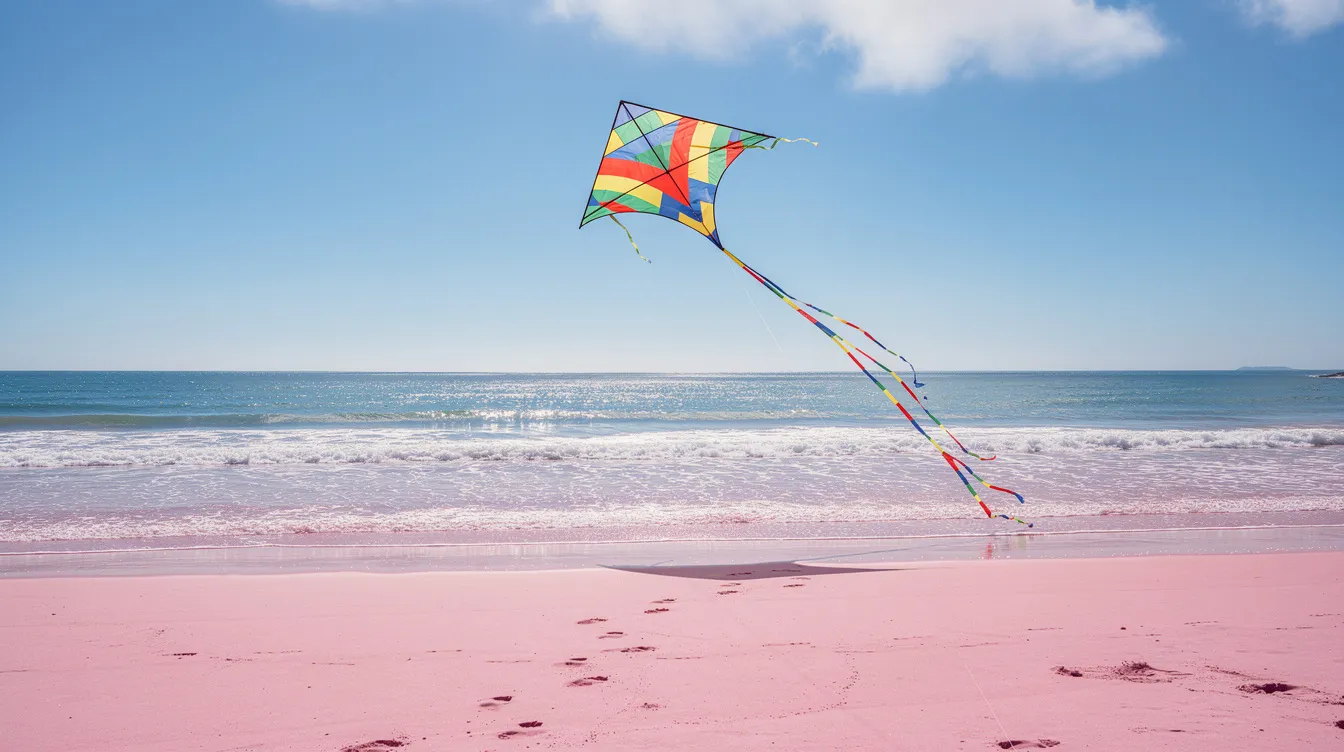
Highlights: Good friday kite-flying traditions on beaches, Easter weekend celebrations, and the Bermuda Agriculture Exhibition.
Activities: First comfortable beach days, cliff-top walks, sailing, and cycling the Railway Trail.
Weather in Bermuda in May
May initiates Bermuda’s summer season with reliable warmth and average water temperature reaching comfortable swimming levels.
Metric | Range |
|---|---|
Daytime | 75–77°F (24–25°C) |
Night | 67–69°F (19–21°C) |
Sea | 71–73°F (22–23°C) |
Long, bright days with low-to-moderate humidity make May ideal for full days outdoors.
Events: Bermuda day brings parades and the traditional half-marathon. Harbour Nights begin in Hamilton with street food and artisans. Various yacht races attract sailors from abroad.
Weather in Bermuda in June
June delivers the first hot summer days. Temperatures climb to 80–82°F (27–28°C), with ocean temperatures in the upper-70s°F. Humidity increases, though brief rain showers clear quickly.
This month marks the beginning of hurricane season (June through November), though tropical storms remain statistically uncommon this early. The Antigua Bermuda race typically concludes in June, bringing yachts into Hamilton Harbour.
Activities: Snorkeling over reefs and wrecks, glow-worm cruises around full moons, beach picnics, and sunset sailing.
Weather in Bermuda in July
July brings peak summer: long, hot days and very warm water. Daytime highs reach 84–86°F (29–30°C), with night temperatures around 77–79°F (25–26.1°C). The average sea temperature climbs to 81–83°F (27.2–28.3°C).
Intense sun, high humidity, and occasional thunderstorms define the weather. Sea breezes moderate coastal heat.
Activities: All water sports, cricket matches, alfresco dining, and summer festivals.
Weather in Bermuda in August
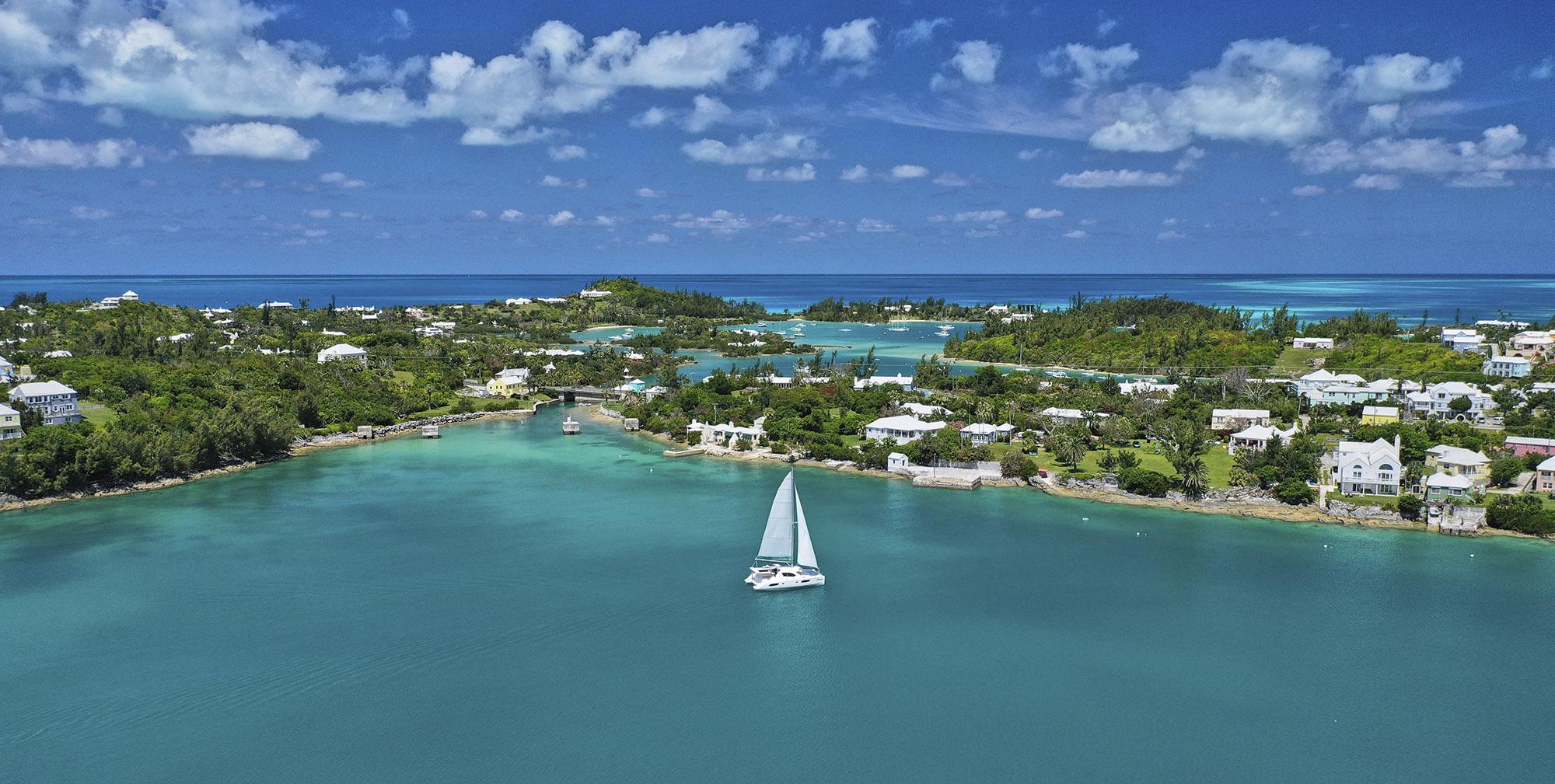
August is the hottest month and the peak month for warm-water swimming. The average high reaches 85–86°F (29–30°C), with sea temperatures at their maximum near 84–86°F (28 c to 30°C).
Conditions are warm and humid with frequent sunshine. Occasional cooling showers provide relief. August falls within hurricane season—monitor forecasts, but many summers pass without incident.
Best for: Extended swims, snorkeling, diving, sunset sails, and early-morning golf before the heat builds.
Weather in Bermuda in September
September remains summery with hot days around 82–84°F (27.8-28.9°C) and sea temperatures about 82–83°F (27.8–28.3°C). This month coincides with the climatological peak of Atlantic hurricane season.
Expect a mix of bright spells and slightly cooler, changeable periods. Beaches quiet as school holidays end in some countries, including Bermuda.
Events: Bermuda Sandcastle Competition at Horseshoe Bay, lobster season begins.
Weather in Bermuda in October
October is the wettest month—more frequent showers and occasional heavier downpours, though many days feature long sunny intervals.
- Daytime: 79–81°F (26–27°C)
- Night: 71–73°F (22–23°C)
- Sea: 78–80°F (25–27°C)
Still warm enough for swimming and snorkeling. Golf benefits from more moderate temperatures.
Note: October remains within hurricane season. Bermuda’s infrastructure handles passing storms well, but keep watch on forecasts.
Weather in Bermuda in November
November brings slightly cooler air and softer sunlight. Daytime highs average 72–75°F (22.2-23.9°C), dropping to 65–67°F (18.3°C to 19.4°C) at night. Sea temperatures cool to 72–74°F (22.2–23.3°C).
Humidity declines, showers become less frequent, and crisp sunny days are common. Hurricane season officially ends November 30.
Ideal for: Golf, tennis, hiking without intense heat, and autumn sporting events.
Weather in Bermuda in December
December offers a festive, mild alternative to cold winter destinations. Average highs reach 70–73°F (21–23°C), with sea temperatures around 68–70°F (20-21°C).
Conditions blend sunshine and passing showers. Water feels brisk but remains swimmable for many.
Traditions: Holiday light displays in Hamilton, Christmas markets, and beloved Boxing Day beach gatherings.
Best Time to Visit Bermuda by Weather
Traveler Type | Best Months | Why |
|---|---|---|
Beach & Swimming | Jun jul aug sep | Warmest sea temperatures, longest days |
Golf & Active Travel | Mar–May, Oct–Nov | Comfortable temperatures, lower humidity |
Budget-Conscious | Dec–Feb | Lowest rates, quieter island |
Families | Jul–Aug | Hot beach weather, summer events |
March and April often deliver the best blend: comfortable temperatures, relatively low rainfall, and more moderate prices. Those seeking warm swims should plan for May through October.
For time on the water, whether snorkeling the reefs or sailing the coastline, SailBermuda.com has spent over twenty years helping guests experience Bermuda from the best perspective—just offshore.
Hurricane Season and Rainfall in Bermuda
The official Atlantic hurricane season spans June 1 through November 30, with statistical peaks in August through October. While storms occasionally pass nearby, Bermuda lies well out in the Atlantic and experiences fewer direct impacts than tropical islands closer to the equator.
October averages the most rainfall, while jan feb mar apr and May tend to be driest. Rain typically falls in brief bursts rather than all-day downpours.
Advice: Consider travel insurance covering weather disruptions, check forecasts in advance, and pack at least one light rain layer regardless of season.
What to Pack for Bermuda in Each Season
Spring (March–May): Light layers, shorts and trousers mix, light sweater, compact umbrella, walking shoes.
Summer (June–August): Breathable linen and cotton, multiple swimsuits, reef-safe sunscreen, hat and sunglasses, light rain jacket. Smart-casual attire for evening dining.
Fall (September–November): Versatile wardrobe for warm days and cool evenings, packable waterproof layer, slightly heavier sweater for late breezes.
Winter (December–February): Long trousers, mid-layers, light jacket, closed-toe shoes, optional wetsuit gear for water activities.
Dress codes in Hamilton lean smart-casual—bring at least one polished outfit regardless of when you visit Bermuda.
FAQ
What month has the best swimming conditions in Bermuda?
August typically offers the warmest sea temperatures at 84–86°F (29–30°C). July, early September, and late June also provide excellent conditions for long swims and water sports in comfortable, bathtub-warm water.
When is the least expensive time to visit Bermuda based on weather patterns?
Late November through February generally brings the lowest hotel rates and fewest visitors. Sea temperatures feel cool for most swimmers, but air temperatures remain mild—ideal for golf and exploring without crowds.
Is Bermuda warm enough for the beach in March and April?
Yes, with daytime highs in the high 60s to low 70s°F (20–22°C), sunbathing is comfortable on calm days. Sea temperatures in the mid-to-high 60s°F (18–20°C) feel refreshing—some swimmers embrace it, others prefer to wait until May.
How often do hurricanes actually affect Bermuda’s weather?
Direct hits are relatively rare. Most seasons bring only one or two close-passing storms that may cause a few windy, wet days. Many years pass with no significant visitor disruption. The island’s infrastructure handles storms well.
Does Bermuda have a rainy season like tropical islands closer to the equator?
No. Bermuda lacks a classic monsoon pattern. Showers spread throughout the year, with October generally wettest and March through May driest. Given day conditions vary, but rain typically arrives in short bursts between sunny intervals rather than all-day downpours.