

Key Takeaways
- The Bermuda Triangle is a heavily traveled region of the North Atlantic Ocean between Miami, Bermuda, and Puerto Rico—statistically no more dangerous than other busy shipping lanes despite its reputation for mysterious disappearances.
- Since the late 19th century, incidents like the USS Cyclops in 1918 and Flight 19 in 1945 have fueled the area’s reputation as the Devil’s Triangle, though most cases have conventional explanations.
- Modern investigations by NOAA, the US Navy, and US Coast Guard consistently attribute incidents to environmental factors, human error, and challenging geography rather than unexplained forces.
- Scientific theories including compass anomalies, methane gas releases, sudden storms, rogue waves, and the powerful Gulf Stream provide grounded explanations for famous cases.
- Contemporary navigation technology has made traveling through the Bermuda Triangle routine and safe—thousands of ships and aircraft cross it daily without incident.
Introduction to the Bermuda Triangle
The Bermuda Triangle occupies a roughly triangular patch of the western Atlantic Ocean, tied to tales of vanishing ships, aircraft, and crews since the late 1800s. Also known as the Devil’s Triangle, this now familiar triangular area sits astride major shipping lanes and flight corridors linking the U.S. East Coast, Bermuda, the Caribbean Sea, and Central America.
The modern sea mystery solidified in the mid-20th century when triangle writers linked scattered incidents into a single, supposedly haunted region. What follows is a calm examination of history, geography, famous cases, and the most plausible explanations behind the legend. Contemporary mariners and pilots regularly transit this Bermuda Triangle area—its reputation owes more to human imagination and storytelling than to unusual danger.
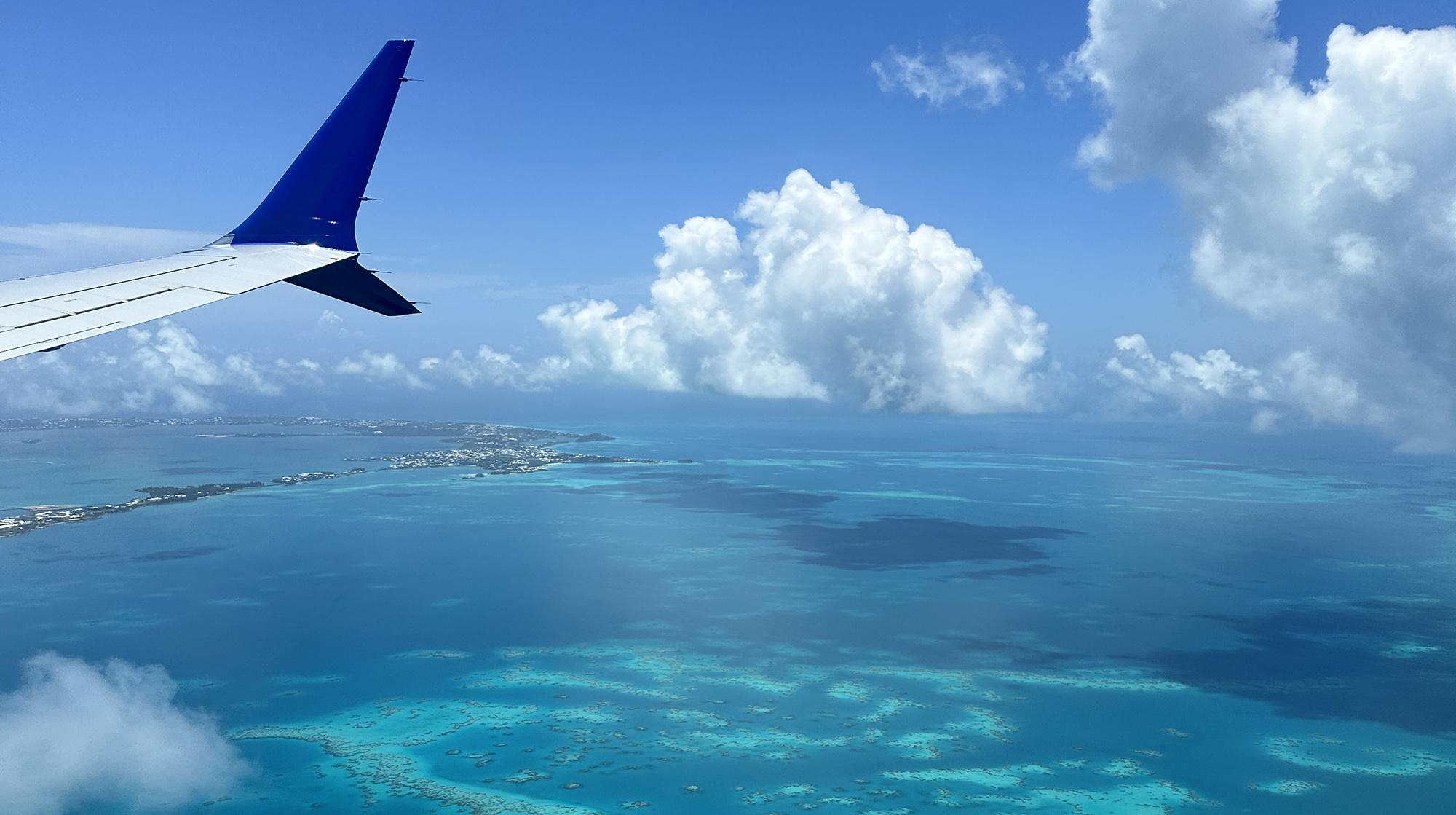
Defining the Bermuda Triangle Area
There is no official, universally agreed boundary for the Bermuda Triangle—only commonly cited points. The classic three vertices connect Miami in Florida, San Juan in Puerto Rico, and the island of Bermuda, forming a triangle of roughly 500,000 to 600,000 square miles.
Some triangle authors expand the area to 1.3–1.5 million square miles, occasionally stretching definitions toward the mid-Atlantic. This matters because which supposed disappearances fall “inside” the Triangle shifts depending on which boundary map an author uses. U.S. governmental agencies do not recognize the Bermuda Triangle as an official geographic or hazard zone. For them, the Bermuda Triangle located here is simply part of the North Atlantic.
Early Reports and Origins of the Legend
Scattered maritime anecdotes and newspaper stories gradually coalesced into the idea of a cursed triangle over centuries. Christopher Columbus’s 1492 log entries in the western Atlantic noted erratic compass readings, strange events on the horizon, and a “great flame of fire” falling into the sea—observations that later fed the lore.
Nineteenth-century sailor tales from the Sargasso Sea described drifting mats of sargassum seaweed, ghostly derelict ships, and fears of being trapped in weed-choked waters. Newspapers in the late 1800s occasionally covered unexplained ship losses in the western Atlantic Ocean, but without tying them to a specific region. The turning point came mid-20th century: a 1950 article by Edward Van Winkle Jones and a 1952 Fate magazine published feature first mapped a distinct triangle and framed disappearances as part of a pattern.
From Newspaper Curiosity to “Devil’s Triangle”
The 1950s through 1970s transformed local incidents into a global phenomenon. Vincent Gaddis’s February 1964 article “The Deadly Bermuda Triangle” in Argosy magazine popularized the name and suggested an abnormally dangerous zone. Subsequent authors like John Wallace Spencer and Charles Berlitz—whose 1974 bestseller sold millions—blended fact with speculation, often omitting prosaic details.
Cold War anxieties, interest in UFOs, and rising science-fiction media primed audiences for stories of alien abduction, time warps, and lost civilizations. An American Legion Magazine piece and countless TV documentaries recycled earlier reports through the 1970s and 1980s, cementing the Bermuda Triangle in popular consciousness.
Geography, Oceanography, and Natural Hazards
The Triangle sits at the intersection of powerful currents, deep trenches, and volatile weather systems. The Gulf Stream sweeps northward past Florida and Bermuda at several knots, capable of rapidly carrying floating wreckage far from accident sites and masking evidence.
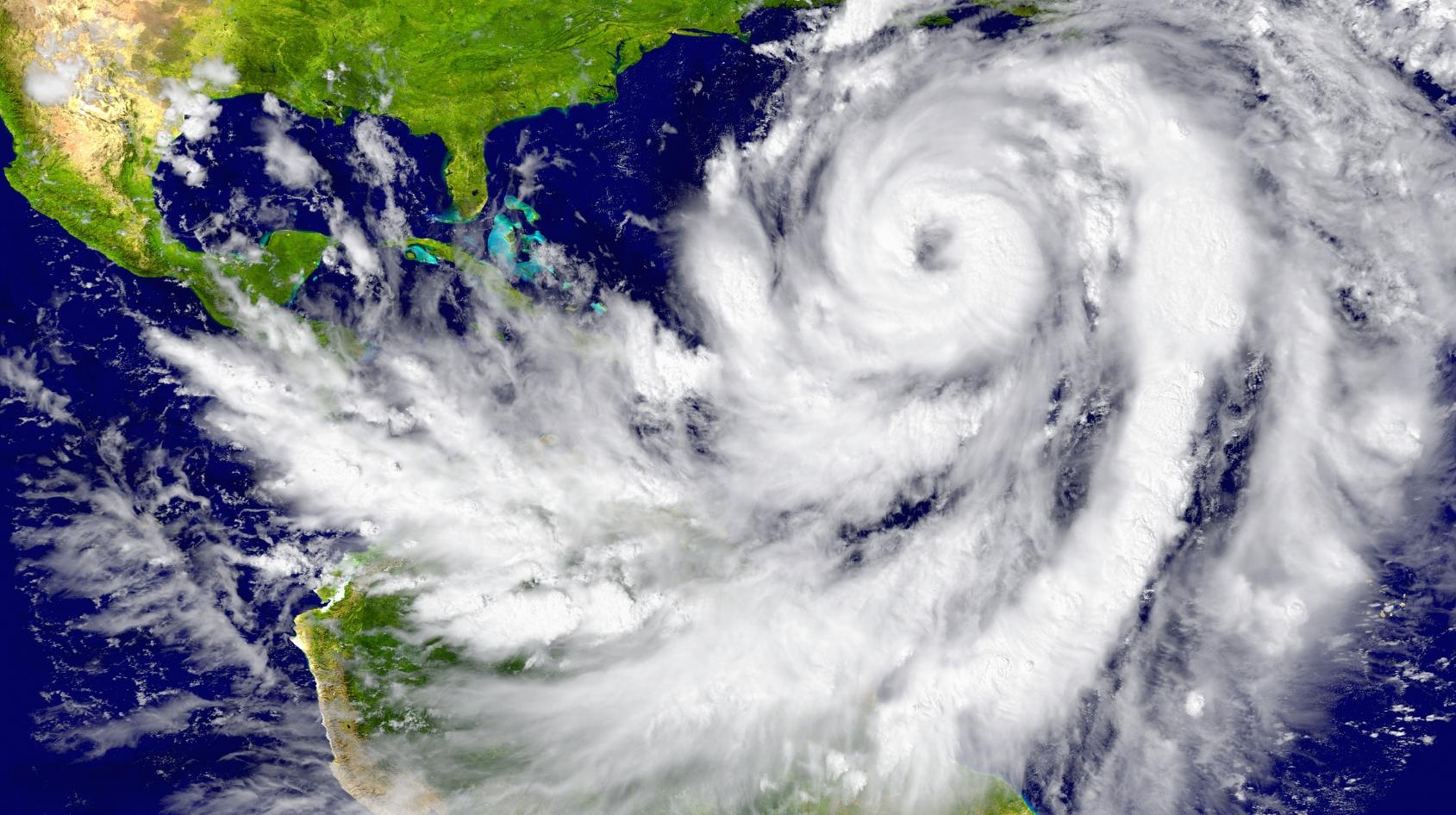
The Puerto Rico Trench, just southeast of the Triangle’s boundary, plunges to the Milwaukee Depth—the deepest point in the Atlantic at approximately 27,493 feet. This makes wreck recovery extraordinarily difficult. The region experiences hurricanes during Atlantic hurricane season (June–November), along with sudden squalls and waterspouts. The ocean floor includes steep slopes, submarine canyons, and possible methane hydrate deposits, all invoked in explanations for rapid sinkings.
Famous Disappearances Commonly Linked to the Triangle
Several specific incidents are repeatedly cited as proof of a mysterious force, though most have plausible conventional explanations. The following cases—ships and planes spanning the 19th through mid-20th century—shaped the Bermuda Triangle legend. In many instances, official investigations found no evidence of paranormal involvement, only incomplete data and the inherent difficulty of searching the open ocean.
HMS Atalanta (1880)
HMS Atalanta, a British training corvette, sailed from Bermuda toward England in January 1880 and never arrived, with approximately 280 mostly trainee sailors aboard. The ship likely encountered severe North Atlantic winter storms between Bermuda and the Azores. Researcher David Francis Raine argued in 1997 that the vessel succumbed to bad weather combined with an inexperienced crew. No confirmed wreckage was ever found—a common outcome in deep, stormy waters far from coasts that speaks more to naval history’s challenges than to unusual disappearances.
USS Cyclops and the Proteus-class Ships
The USS Cyclops, a US Navy collier, departed Barbados for Baltimore on March 4, 1918, with over 300 people and a cargo of manganese ore, then vanished without a trace—the largest single non-combat loss in U.S. naval history. Leading theories point to structural failure from overloading dense ore and hull weakness in the Proteus-class design.
Sister ships USS Proteus and USS Nereus disappeared during World War II while carrying similar cargoes, reinforcing the structural-failure hypothesis rather than any explanation pins to supernatural concepts.
Carroll A. Deering (1921)
The five-masted schooner Carroll A. Deering was found aground and abandoned on Diamond Shoals near Cape Hatteras on January 31, 1921. Lifeboats and navigation equipment were missing, suggesting the crew evacuated for unknown reasons. U.S. investigations considered piracy, mutiny, and rum-running but reached no definite conclusion. The boat’s disappearance circumstances remain uncertain, but nothing in the evidence demands a supernatural explanation.
Flight 19 and the Lost Rescue Plane (1945)
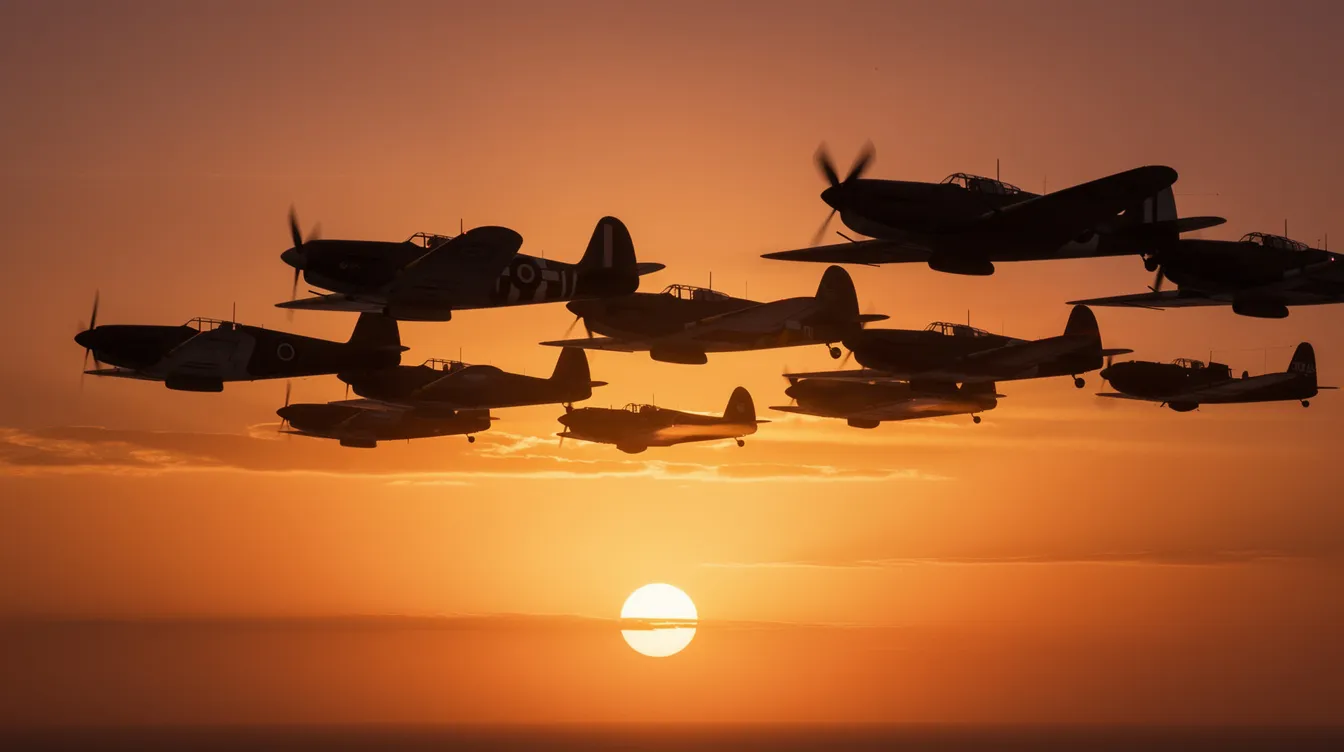
Flight 19 consisted of five torpedo bombers—five TBM Avengers—that departed Naval Air Station Fort Lauderdale on December 5, 1945, for a routine training mission. Radio logs show the flight leader, Lt. Charles Taylor, became disoriented, misjudging his position near the Bahamas. Crews reported compass problems as fuel ran low. This lost patrol has become synonymous with Triangle lore.
A PBM Mariner among the rescue planes launched to search also disappeared. An eyewitness crew reported seeing an explosion and oil slick consistent with a mid-air fuel-tank blast. The US Navy Board of Investigation attributed the loss to navigational error and fuel exhaustion—no evidence of unexplained forces.
Star Tiger and Star Ariel (1948–1949)
Two British South American Airways Avro Tudor IV airliners—Star Tiger (lost January 30, 1948) and Star Ariel (lost January 17, 1949)—vanished on separate flights near the Bermuda area. Both aircraft operated near their range limits in an era of less reliable weather forecasting. Official inquiries suggested mechanical or navigational issues compounded by weather could have led to ditching at sea. The lack of debris, while striking, remains consistent with ocean depths and currents.
Douglas DC-3 Flight NC16002 (1948)
On December 28, 1948, a Douglas DC-3 disappeared en route from San Juan, Puerto Rico, to Miami with 32 people aboard. Pre-flight checks revealed minor electrical issues and a depleted battery. Weather along the route included scattered storms. The Civil Aeronautics Board cited insufficient evidence to determine probable cause but pointed to possible instrument failures during night flying over water. Despite intensive sea search efforts, no trace was found.
Connemara IV and Other Ghost Yachts
The yacht Connemara IV was found adrift south of Bermuda in September 1955 after breaking free from moorings. Contemporary reports indicate the pleasure craft likely went unmanned into severe weather, including Hurricane Ione—not the mysterious circumstances often portrayed. Similar “ghost ship” stories typically stem from vessels abandoned during storms, with crews rescued elsewhere. These incidents add atmospheric detail but do not imply supernatural removal of people from intact vessels.
KC-135 Stratotankers Collision (1963)
On August 28, 1963, two U.S. Air Force KC-135 Stratotankers crashed roughly 300 miles west of Bermuda. Early reports were misinterpreted by some other writers as separate crash sites with duplicated wreckage. Researcher Larry Kusche demonstrated that the supposed second site was misidentified floating debris. The combined forces of impact caused both aircraft to break apart—a tragic but conventional mid-air accident.
Debunking, Skepticism, and Statistical Reality
Careful review reveals patterns of exaggeration and misunderstanding. Larry Kusche’s mid-1970s work compared sensational accounts with weather records and official reports, uncovering numerous errors in popular Triangle books. Some “mysterious” vessels were never actually missing. Others sank in documented storms outside any reasonable boundary.
Lloyd’s of London and marine insurers do not treat the Bermuda Triangle part of the Atlantic as unusually hazardous—they charge no special premiums. The US Coast Guard, US Navy, and the National Oceanic and Atmospheric Administration have stated that accident rates here compare to other high-traffic areas. When statistical reality meets legend, the mystery evaporates.
Scientific and Natural Explanations
No single cause explains every incident, but known physical and human factors account for the majority of losses. Navigation issues, weather, geological phenomena, and human error often interact in complex ways. In high-traffic regions with challenging conditions, even modest problems prove fatal—especially before modern GPS and weather satellites.
Compass Anomalies and Magnetic Effects
Much Triangle lore involves malfunctioning compasses and “lost” directions. The Earth’s agonic line—where magnetic north and true north align—historically passed near the Bahamas. When navigators fail to correct for magnetic variation in regions where it changes rapidly, they drift off course. Ship navigation instruments can also be affected by onboard metal structures or electrical faults, explaining why planes behave erratically in some accounts.
Weather, Rogue Waves, and the Gulf Stream
The Bermuda Triangle region sits where warm tropical air meets cooler northern systems, fostering thunderstorms, squalls, and waterspouts. Tropical storms track through regularly between June and November. Scientists recognize rogue waves—rare but massive waves exceeding 100 feet—as genuine threats. The Gulf Stream displaces debris at several knots, scattering wreckage and complicating investigation. Strange events in this region often trace to weather with greater frequency than any supernatural cause.
Methane Hydrates and Seafloor Phenomena
One hypothesis suggests methane gas deposits could release large bursts, lowering water density and destabilizing ships. Laboratory experiments confirm gas bubbles affect buoyancy, but direct evidence of large-scale eruptions sinking vessels remains lacking. Submarine landslides and undersea earthquakes may affect local currents. These remain plausible but unproven ideas compared to well-documented storms and human error.
Human Error, Technology Limits, and Traffic Density
For much of the 20th century, navigation relied on dead reckoning and primitive instruments. The Triangle sits along major routes where thousands of ships and aircraft cross annually—higher traffic yields more accidents in absolute numbers, even when rates per voyage remain normal. Fatigue, miscommunication, and inadequate training appear in many accident investigations. Today’s GPS, satellite communications, and advanced weather models have significantly reduced such incidents—though unexplained occurrences still capture attention when they do occur.
Paranormal Theories and Fringe Explanations
Part of the Triangle’s fame stems from imaginative stories beyond mainstream science. Fringe explanations include alien abduction, time warps, dimensional portals, and technology from lost civilizations. Believers point to features like the Bimini Road—a natural underwater rock formation—as supposed Atlantean ruins. Some invoke invisible horizons created by psychic energy or crystal power sources interfering with instruments.
Charles Berlitz and similar authors explored these supernatural concepts extensively. However, none hold up under systematic investigation. No reproducible, empirical evidence supports extraterrestrial or paranormal involvement in any documented case.
The Bermuda Triangle in Culture and Folklore
The Bermuda Triangle has grown from maritime curiosity into a global cultural symbol for mysterious disappearances. Books like Berlitz’s 1974 bestseller “The Bermuda Triangle” sold millions and inspired documentaries, comic books, and thrillers. Films and television have used the Triangle for suspense, blending submarines and ghost ships with time travel themes.
Tourism sometimes plays lightly on the mystique—Bermuda features themed attractions and tour narratives. Yet local mariners treat these waters routinely. Those of us at SailBermuda.com, with over two decades, and generational history of sailing on these waters, regard the legend as colorful storytelling rather than any real hazard. The Bermuda area appears ominous in paperbacks; in practice, it’s simply home.
Safety, Modern Travel, and the Reality Today
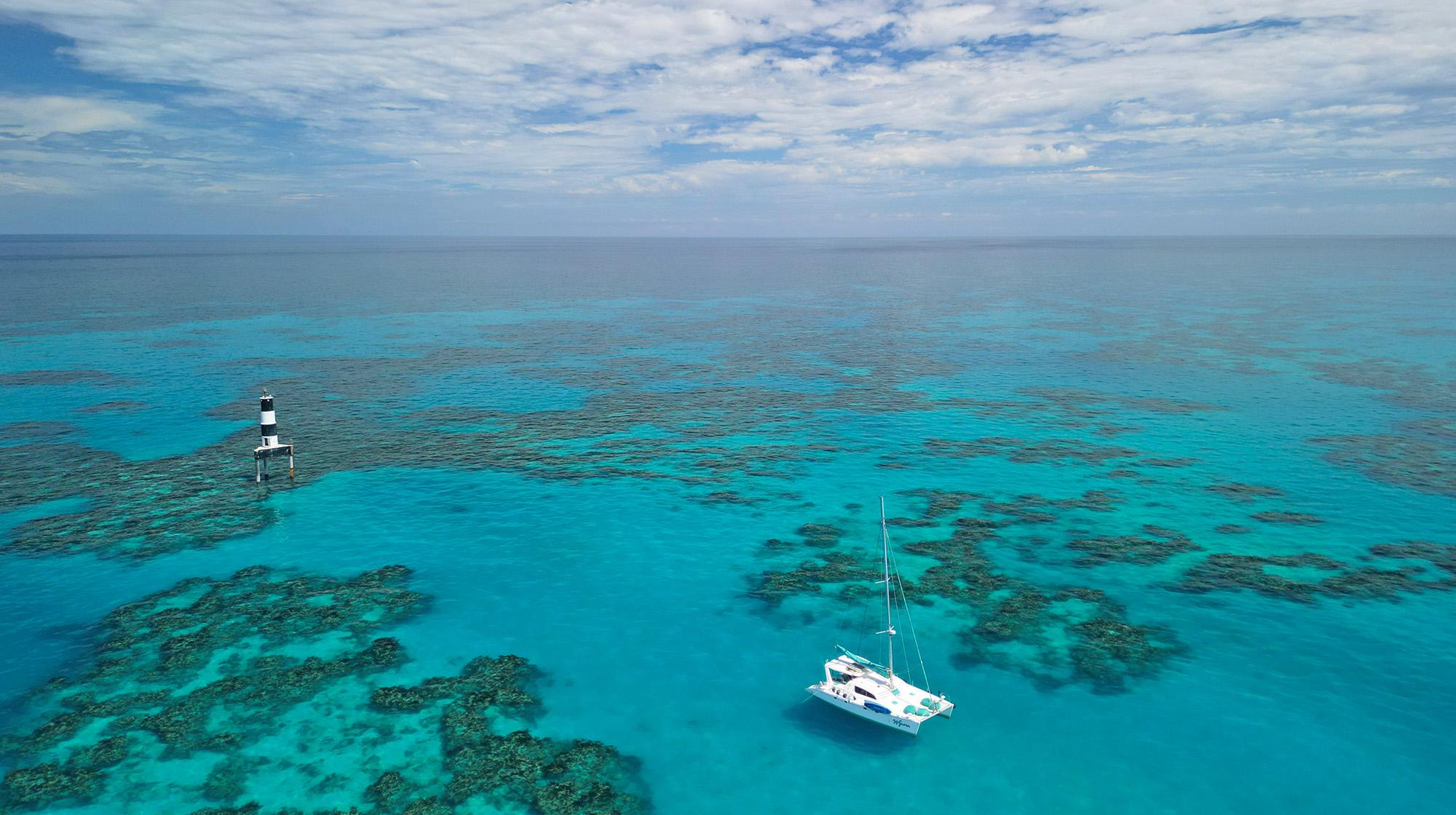
In the 21st century, the Bermuda Triangle is one of the most routinely traversed oceanic corridors in the world. Commercial flights and ships pass through daily without incident. Modern navigation systems—GPS, inertial navigation, satellite tracking—drastically reduce the odds of becoming lost.
Satellite meteorology and hurricane reconnaissance provide detailed forecasts helping ships and aircraft avoid severe conditions. Maritime safety regulations, improved training, and better vessel design have cut accident rates compared to the early 20th century. For contemporary travelers on cruise ships, commercial flights, or well-equipped private vessels, the Bermuda Triangle poses no special danger beyond ordinary ocean voyaging. Thousands of sailors experience these waters each year. Most return home with nothing more dramatic than good memories.
Frequently Asked Questions
Is the Bermuda Triangle officially recognized as a danger zone?
No national or international authority—including the US Coast Guard, US Navy, International Maritime Organization, or ICAO—recognizes the Bermuda Triangle as a distinct hazard zone. Nautical charts and aeronautical maps do not mark it as special; it receives the same treatment as other open-ocean areas. Insurance underwriters like Lloyd’s of London impose no higher premiums for ships crossing here compared to similar routes elsewhere.
Is it safe to fly or sail through the Bermuda Triangle today?
Commercial airlines, cargo ships, cruise liners, and private yachts pass through this region daily with extremely low incident rates. Standard safety practices—checking forecasts, filing plans, carrying modern navigation equipment—apply here as anywhere else. For passengers on scheduled flights or cruises, the area presents no more risk than any other Atlantic segment.
Does the Bermuda Triangle have more accidents than other oceans?
When accidents are compared per vessel or flight crossing, the Triangle shows no statistically higher rate than other busy corridors. Its reputation partly stems from proximity to North American media centers, which historically emphasized dramatic losses here. High traffic density combined with intense storytelling creates an illusion of greater frequency that doesn’t match reality.
Can modern technology completely prevent disappearances?
No technology eliminates all maritime or aviation risk, but contemporary systems greatly reduce incident likelihood. GPS, radar, AIS, satellite distress beacons, and weather intelligence vastly improve awareness compared with mid-20th century capabilities. Rare mechanical failures and extreme weather can cause accidents anywhere—nothing makes this region uniquely dangerous.
Why do Bermuda Triangle stories remain so popular?
The combination of genuine historical mysteries, extreme ocean depths, and fear of vanishing without a trace creates compelling narrative. Novels, films, and documentaries emphasize the unexplained while downplaying mundane causes. The Triangle functions as modern folklore—an enduring symbol of the unknown that captivates regardless of scientific answers.