

Bermuda sits at the edge of the Atlantic’s northern coral reefs, where pink-sand beaches meet healthy reef systems and historic shipwrecks lie in accessible depths. A short flight from the U.S. East Coast, the island offers snorkeling in Bermuda that rivals—and often surpasses—more tropical destinations.
Key Takeaways
- Summer months (June–September) bring water temperatures of 80–82°F with visibility reaching 50–80 feet, while shoulder seasons offer fewer crowds and comparable conditions.
- Shore snorkeling at spots like Elbow Beach, Church Bay, and Tobacco Bay provides easy access to vibrant coral reefs within 30–100 feet of the beach.
- Boat-based Bermuda snorkeling excursions reach outer reefs like Eastern Blue Cut and North Rock and shallow wrecks including the Montana and Constellation, where fish life and coral density increase dramatically.
- SailBermuda.com charters include snorkeling options with full snorkel gear provided—masks, fins, snorkels, and flotation devices—eliminating the need to rent or bring your own.
- Planning around wind direction, tides, and your swimming ability makes the difference between a forgettable outing and the best snorkeling of your trip.
First things first: Planning your Bermuda snorkeling adventure
A bit of preparation transforms a casual swim into something more memorable. Understanding what lives beneath the surface—and how to reach it—pays dividends once you’re in the water.
Consider visiting the Bermuda Aquarium, Museum and Zoo in Flatts Village before heading to the reef. Seeing live parrotfish, angelfish, and groupers up close helps you recognize different species when they appear amid the coral. The Aquarium also covers local conservation efforts worth understanding.
Snorkeling in Bermuda breaks into two styles: walking in from the beach to explore shallow reefs, or taking a boat to outer reef systems and shipwrecks. Both offer distinct experiences, and combining them over two or three days gives the fullest picture.
For those preferring seamless logistics, SailBermuda.com includes snorkeling on each charter. A local guide steers you in the right direction based on daily conditions, and gear is provided—making it ideal for visitors who’d rather not coordinate separate tours.

Snorkeling from the Beach
Shore-based snorkeling appeals for its immediacy. Walk across pink sand, wade past the shallows, and you’re floating over reef within minutes.
In summer, expect water temperatures around 80–82°F with visibility commonly reaching 50–80 feet on calm days. Many reefs start just 30–50 yards offshore in 5–15 feet of shallow water, making them accessible to confident swimmers with basic snorkeling experience.
Locals debate the best spots endlessly. The truth is, the “right” beach depends on whether you prioritize dense marine life, calm entry, amenities for children, or avoiding crowded conditions. Beach snorkeling suits families, first-timers, and cruise ship passengers with limited hours ashore.
Favorite Bermuda snorkeling beaches
Bermuda’s compact size means you can visit multiple sites in a day. Here are the best spots across the island:
Beach | Location | Best For | Notable Features |
|---|---|---|---|
Tobacco Bay | East End near St. George’s | Beginners, history buffs | Sheltered lagoon, limestone formations, Revolutionary War history |
Church Bay | South Shore | Intermediate swimmers | Brain coral heads up to 4 feet, abundant angelfish, rocky entry |
Elbow Beach | Paget Parish | Drift snorkeling | Barrier reef calms surf, surgeonfish, trumpetfish, occasional octopus |
Warwick Long Bay | South Shore | Experienced snorkelers | Wild stretch with calm reef pockets, grouper, sergeant majors |
Jobson’s Cove | South Shore | Children, nervous swimmers | Pool-like enclosure, protected shallow water under 10 feet |
Clearwater Beach | Cooper’s Island | Turtle sightings | Seagrass meadows, frequent sea turtle encounters, secluded feel |
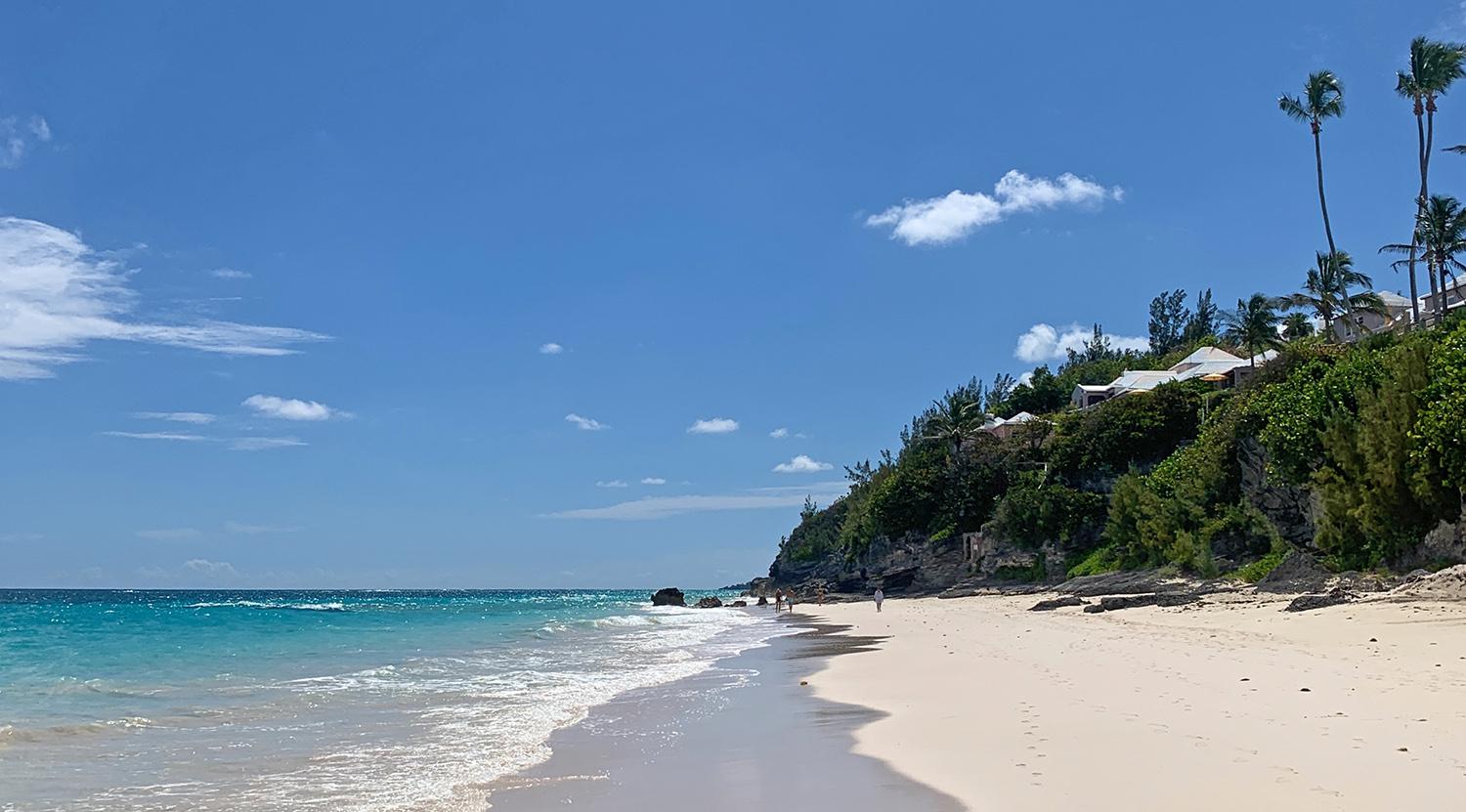
Tobacco Bay connects to the 1775 Gunpowder Plot historical site and features warm, sheltered water surrounded by limestone boulders. Church Bay rewards those willing to navigate a rocky entry with sea fans, colorful sea life, and impressive coral heads. Clearwater Beach and adjacent Turtle Bay at Cooper’s Island Nature Reserve offer a quieter, conservation-focused experience with regular turtle sightings in the seagrass.
Best boat tours: Outer reefs and shipwrecks
Some of Bermuda’s most dramatic snorkeling lies beyond walking distance. The northern outer reef system and historic wrecks in 15–35 feet of water offer fish life and coral density that shore sites can’t match.
Not every boat tour visits these sites—many stick to inshore coves or the Sea Garden near HMS Vixen. Ask operators specifically which reefs they visit, how long you’ll spend in the water, and what depths to expect.
Classic Wreck Sites:
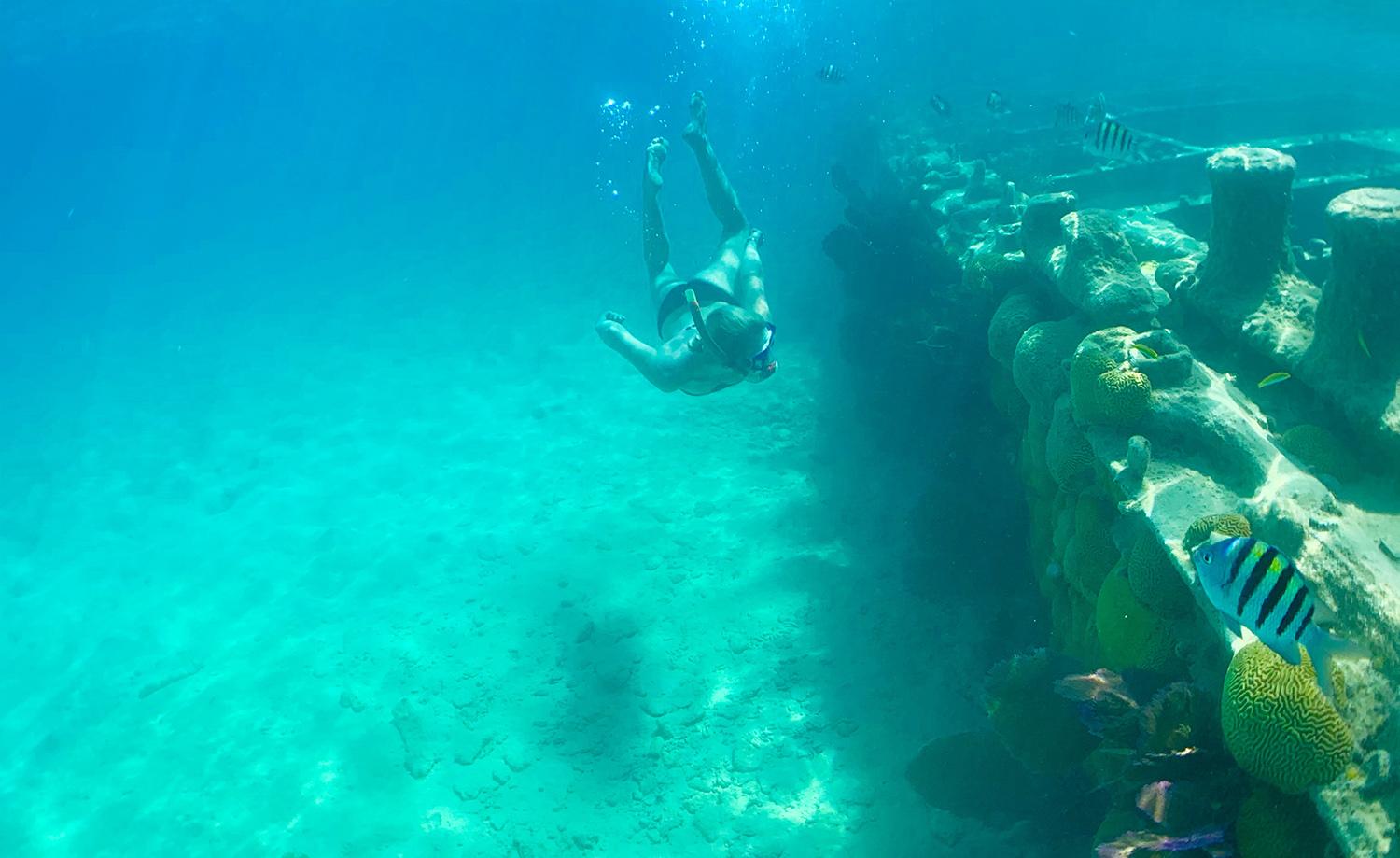
- Montana Shipwreck – A 287-foot steel steamer that sank December 30, 1863, near Western Blue Cut. Shallow sections at 15–25 feet reveal hull structures colonized by brain coral and schools of Bermuda chub.
- Constellation Shipwreck – Sunk intentionally in 1943, this 200-foot vessel features visible propellers and cargo holds where grouper and moray eels shelter.
- North Rock – About seven miles off the East End, this site hosts some of the healthiest shallow coral heads in the North Atlantic, accessible only by boat with expert guidance.
Eastern Blue Cut and Blue Hole offer terrace-rim reef formations where snorkelers skim inches above fish-thick rims over dramatic drop-offs.
SailBermuda.com offers private charters customized to visit outer reefs, calm reef gardens, or selected wrecks depending on conditions. Full snorkel gear is included, and skippers adjust routes based on wind and group ability—choosing protected patches on rougher days.
What you can expect underwater
Below the surface, Bermuda’s reefs reveal spur-and-groove formations—parallel coral spurs separated by sandy grooves channeling the ocean’s surge. Scattered wrecks add artificial complexity, and seagrass meadows carpet quieter bays.
Common Sightings:
- Fish: Stoplight parrotfish, blue tangs, sergeant majors, butterflyfish, French angelfish, wrasse, damselfish
- Coral and Invertebrates: Brain coral, sea fans, sea rods, long-spine urchins, sponges, spiny lobsters
- Larger Animals: Green sea turtles, spotted eagle rays, occasional barracuda at reef edges
Visibility ranges from excellent (often exceeding 100 feet after winter cold fronts) to moderate (30–50 feet during summer plankton blooms). Even on average days, the ocean floor remains visible and snorkelers encounter abundant sea life.
For underwater photography, a simple action camera with red filter or underwater mode outperforms phone housings. Shoot close to subjects in bright midday sun for sharper, more color-accurate results.
Why Bermuda snorkeling stands out
Bermuda’s position at the edge of the Sargasso Sea creates conditions unlike Caribbean destinations. The island’s northern shallow reefs maintain roughly 40–60% live coral cover—compared to 10–20% averages in heavily bleached southern areas.
The combination of pink-sand beaches, walk-in shore access, and dramatic offshore reefs and wrecks creates variety within a compact island. You can explore multiple sites daily without exhausting travel.
Variable winds mean at least one coast stays relatively sheltered on most days. When the North Shore faces rough seas, the south remains calm—and vice versa. This flexibility allows experienced captains to find quality conditions even in changeable weather.
Bermuda’s water runs 2–4°F cooler than Caribbean peers outside midsummer, which has historically reduced coral bleaching pressure. The 2023 heatwave caused only 5–10% coral loss locally versus 50% in some southern reefs.
Safety tips for snorkeling in Bermuda
Despite inviting conditions, snorkeling here often means swimming beyond secluded coves into the open ocean. Honest self-assessment matters.
Essential Precautions:
- Check daily conditions, wind direction, wave height, low tide timing, before choosing sites
- Avoid exposed south shore beaches on strong southwesterly days when surf and rip currents increase
- Stay aware of dive boats and jet-ski traffic; use brightly colored floats or vests
- Never snorkel alone; weak swimmers should stick to coves like Jobson’s Cove or guided charters
- Wear reef-safe sunscreen or rash guards; heed local advisories about seasonal Portuguese man o’ war (July–September)
Fins improve control and conserve energy. Water shoes help on rocky entries but shouldn’t replace proper fins for reef swimming.
Best Time to Snorkel: Seasons, Water & Weather
Snorkeling runs year-round, but comfort and conditions shift by season:
Season | Water Temp | Visibility | Conditions |
|---|---|---|---|
June | 78–80°F | 70+ feet | Calm pre-hurricane period, moderate crowds |
July–September | 80–82°F | 50–70 feet | Warmest, occasional plankton haze, hurricane risk |
October–November | 72–76°F | 60–80 feet | Fewer crowds, pleasant water |
February–March | 64–68°F | 80–100+ feet | Cool water, strong winds, limited boat tours |
April–May | 72–76°F | 60–80 feet | Water starting to warm up but still a bit chilly, usually great visability |
June often hits the sweet spot—warm water, reliable visibility, and storms still weeks away.
Getting to Bermuda and moving between snorkel sites
Frequent flights connect Bermuda to New York (2 hours), Boston (1.5 hours), and Miami (2.5 hours) via American, Delta, and JetBlue. Seasonal service runs from London and Canadian cities.
Full-size rental cars aren’t permitted. Options include:
- Public buses and ferries
- Scooters
- Electric Twizys
- Taxis
The bus network reaches Royal Naval Dockyard, Hamilton, and St. George’s reliably. A short walk from South Shore bus stops accesses multiple snorkel beaches.
Where to stay for easy access to snorkeling
Lodging in Warwick, Southampton, or Paget parishes places you near Horseshoe Bay, Warwick Long Bay, Jobson’s Cove, Church Bay, and Elbow Beach. Many secluded little beaches lie within walking distance.
St. George’s and the East End suit those prioritizing Tobacco Bay, Clearwater Beach, and historic sightseeing in a quieter atmosphere.
For cruise ship passengers docked at Royal Naval Dockyard: Snorkel Park Beach offers artificial reefs near the pier, but private charter with SailBermuda.com provide superior sites compared to rushed ship excursions.
Snorkeling with SailBermuda.com
SailBermuda.com operates private catamaran charters from Hamilton and Dockyard (with pickup locations inbetween) that include snorkeling on every trip. Full snorkel gear, fins, masks, snorkels, and flotation devices, comes with the charter, so guests need only bring swimwear and sun protection.
Typical itineraries sail to calm coves, reef gardens, or outer reefs and wrecks depending on conditions and group preferences. Skippers choose locations based on daily winds and guest experience, avoiding crowded inshore spots when possible.
Smaller group sizes mean unhurried gear fitting, thorough safety briefings, and flexibility to linger at especially productive sites. Families and photographers particularly appreciate the tailored approach versus larger, fixed-route operations.
FAQs
Do I need to bring my own snorkeling gear to Bermuda?
Many visitors bring their own mask and snorkel for fit and comfort. SailBermuda.com provides full snorkeling gear on every charter, guests only need swimwear, a towel, and sun protection. Those with prescription lenses or unusual fit requirements should bring their own mask.
Is Bermuda snorkeling suitable for children and beginners?
Sheltered spots like Jobson’s Cove, Tobacco Bay, and Clearwater Beach offer calm, shallow water well-suited to kids and cautious swimmers. Charters including SailBermuda.com can tailor stops to protected coves, providing flotation vests and basic instruction. Young children should always wear flotation and remain under close supervision.
Can I snorkel Bermuda’s shipwrecks without scuba diving?
Several wrecks—including the Montana and Constellation at Western Blue Cut and portions of HMS Vixen near Daniel’s Head—lie in shallow enough water for snorkelers. Access requires a boat, and conditions can be more exposed than beach reefs. Book with experienced operators who understand currents and safe mooring around wreck sites.
What should I wear for snorkeling in Bermuda?
From late spring through early fall, a swimsuit or rash guard with reef-safe sunscreen works well. Cooler months (November–April) call for a shorty wetsuit or 3mm full suit, especially on windy days. Water shoes help on rocky entries, but proper fins remain essential for reef and wreck sites.
How many days do I need to experience great snorkeling in Bermuda?
Two full days allows one shore-based exploration of South Shore beaches and one boat charter to outer reefs or wrecks. Three to five days lets you revisit favorite sites in different conditions while mixing in historical sightseeing and cave visits. Cruise passengers with limited time should prioritize one quality charter or shore site rather than rushing between multiple locations.