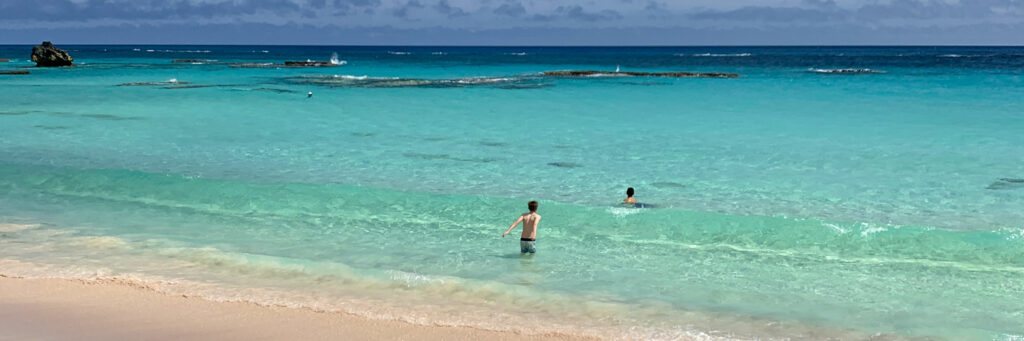

Bermuda is world-famous for its stunning pink sand beaches—a phenomenon that captivates both scientists and travelers alike. These pastel-hued shores aren’t the result of an optical illusion but a vibrant reflection of the island’s unique blend of biology and geology. In this article, we explore the science behind the sand’s rosy glow, the vital marine life that contributes to its formation, and how you can experience and help preserve this natural wonder.
Unveiling the Mystery: What Causes the Pink Sand?
Bermuda’s pink sands are created through a remarkable interplay of marine life and geological conditions. The leading contributor is the Foraminifera, microscopic marine organisms that live among Bermuda’s coral reefs. Their pink or red shells, rich in calcium carbonate, mix with the island’s white sand when they die, giving the beaches their signature blush hue.
Yet, Foraminifera don’t act alone. Parrotfish, another key contributor, play an indirect but significant role. As they graze on coral to eat algae, they break off pieces of the reef and excrete fine sand. Over time, this process adds volume and texture to Bermuda’s beaches. The blending of Foraminifera shell fragments with parrotfish-produced sand results in the beautiful pink tones unique to Bermuda.
The island’s geology—rooted in volcanic origins—along with its warm waters, ideal ocean currents, and tropical climate, create the perfect conditions for both organisms to thrive. This natural process, developed over millennia, is what makes Bermuda’s pink beaches so biologically and visually unique.

The Role of Foraminifera in Bermuda’s Pink Sand
While Foraminifera are the primary pigment source for Bermuda’s pink beaches, parrotfish are equally vital in shaping the beaches themselves. These colorful reef dwellers feed on algae that grow on corals, grinding the reef with beak-like teeth. The coral fragments they excrete are one of the main sources of sand in Bermuda.
This dynamic pairing—Foraminifera adding color and parrotfish generating texture—makes the pink sand phenomenon possible. Together, they sustain the very beaches that people travel the world to see. Their combined activity is not only essential to the beach’s formation, but also to the overall health of Bermuda’s vibrant marine ecosystem.
Experiencing the Pink Sand: Best Times and Locations
Experiencing Bermuda’s pink sand beaches is a must for any visitor. The vibrant pink hue is best To fully appreciate Bermuda’s pink beaches, time your visit to sunrise or sunset when the light enhances the sand’s warm hues. Here are three of the island’s most iconic spots:
- Horseshoe Bay Beach: Known for its sweeping crescent shape and gentle waves—perfect for early morning vistas.
- Elbow Beach: Offers a quieter, more peaceful experience ideal for long walks and intimate moments.
- Warwick Long Bay: A lesser-crowded beach with a broad pink shoreline, perfect for those seeking serenity.
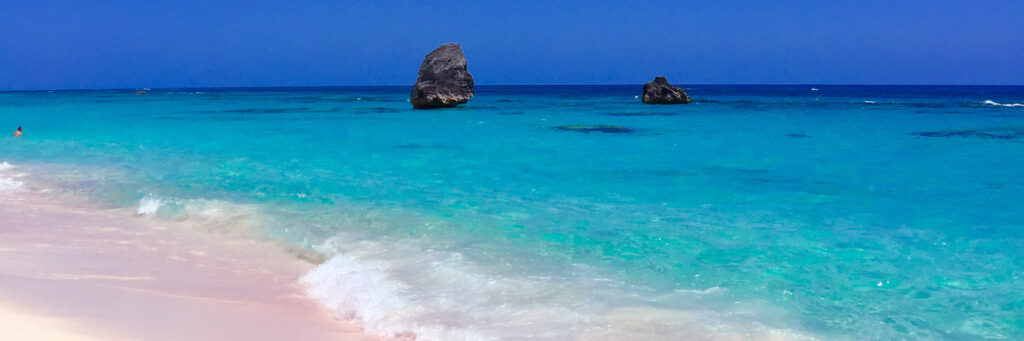
Each location offers a unique vantage point to witness the pink sands in their full glory, from romantic strolls to photo-worthy sunsets.
The Ecological Significance of Bermuda’s Pink Beaches
Beyond their beauty, Bermuda’s pink beaches support a rich and interconnected ecosystem. Coral reefs near the shore are home to sea turtles, rays, and countless species of tropical fish—including the indispensable parrotfish. These fish not only produce sand but also keep coral healthy by preventing algae overgrowth.
Bermuda has implemented strong conservation initiatives to protect these ecosystems. Marine protected areas and environmental organizations work tirelessly to safeguard reefs and educate the public about preserving this fragile habitat. Visitors play a role too—by respecting wildlife and minimizing their footprint, they help maintain the delicate balance between land and sea.
How to Enjoy the Pink Sand Phenomenon Responsibly
Enjoying Bermuda’s natural beauty comes with a responsibility to protect it. Here’s how to make the most of your visit while helping to conserve this special environment:
- Catamaran Charters: Sail around the island and experience pink beaches from the water. Many charters offer snorkeling excursions to reefs where you can observe parrotfish and coral ecosystems firsthand.
- Avoid Taking Sand or Shells: As tempting as it may be, removing sand disrupts the natural cycle and can damage the ecosystem.
- Respect Marine Life: Don’t touch or chase sea creatures. Stay informed about reef-safe practices to ensure your activities don’t harm wildlife or their habitat.
With just a little care, visitors can enjoy unforgettable experiences while helping protect what makes Bermuda so special.
Catamaran Charters: A Unique Perspective on Pink Sand Bermuda
Exploring Bermuda’s pink sand beaches by catamaran offers a fresh and unforgettable perspective. From the ocean, the contrast of turquoise water and rosy shoreline is nothing short of magical.
Charters typically include stops for snorkeling, allowing you to explore Bermuda’s reefs and encounter parrotfish up close. Some tours venture to more remote beaches, giving you access to quieter, more pristine locations where you can relax and take in the island’s natural beauty.
Guides on board enrich the journey with local insights into Bermuda’s history, wildlife, and conservation efforts—making it as educational as it is scenic. Whether you’re gliding across clear waters or diving beneath them, a catamaran tour reveals the full spectrum of Bermuda’s ecological and geological splendor.

Preserving the Pink: Conservation Efforts in Bermuda
Bermuda’s pink sand beaches are an irreplaceable natural treasure. Ongoing conservation work focuses on protecting coral reefs, controlling sand erosion, and educating visitors about sustainable tourism practices.
Efforts include enforcing marine protected zones, promoting reef restoration, and discouraging the removal of natural materials from beaches. Organizations on the island work closely with scientists and the community to ensure Bermuda’s ecosystems continue to thrive for generations to come.
Tourists can contribute by supporting eco-friendly tours, following guidelines, and spreading awareness about the importance of preserving this one-of-a-kind environment.
Conclusion: The Lasting Allure of Bermuda’s Pink Sands
Bermuda’s pink sand beaches are an irreplaceable natural treasure. Ongoing conservation work focuses on protecting coral reefs, controlling sand erosion, and educating visitors about sustainable tourism practices.
Efforts include enforcing marine protected zones, promoting reef restoration, and discouraging the removal of natural materials from beaches. Organizations on the island work closely with scientists and the community to ensure Bermuda’s ecosystems continue to thrive for generations to come.
Tourists can contribute by supporting eco-friendly tours, following guidelines, and spreading awareness about the importance of preserving this one-of-a-kind environment.